
Feature group · Segmentation
Segment by country, team, gender and much more
Company-wide scores hide more than they reveal. A respectable overall score might mask that one office is thriving while another struggles, or that new hires love it but engagement crashes after a year. Aggregate data lets problems hide until they become crises.
What's inside
8 features making it real.
01
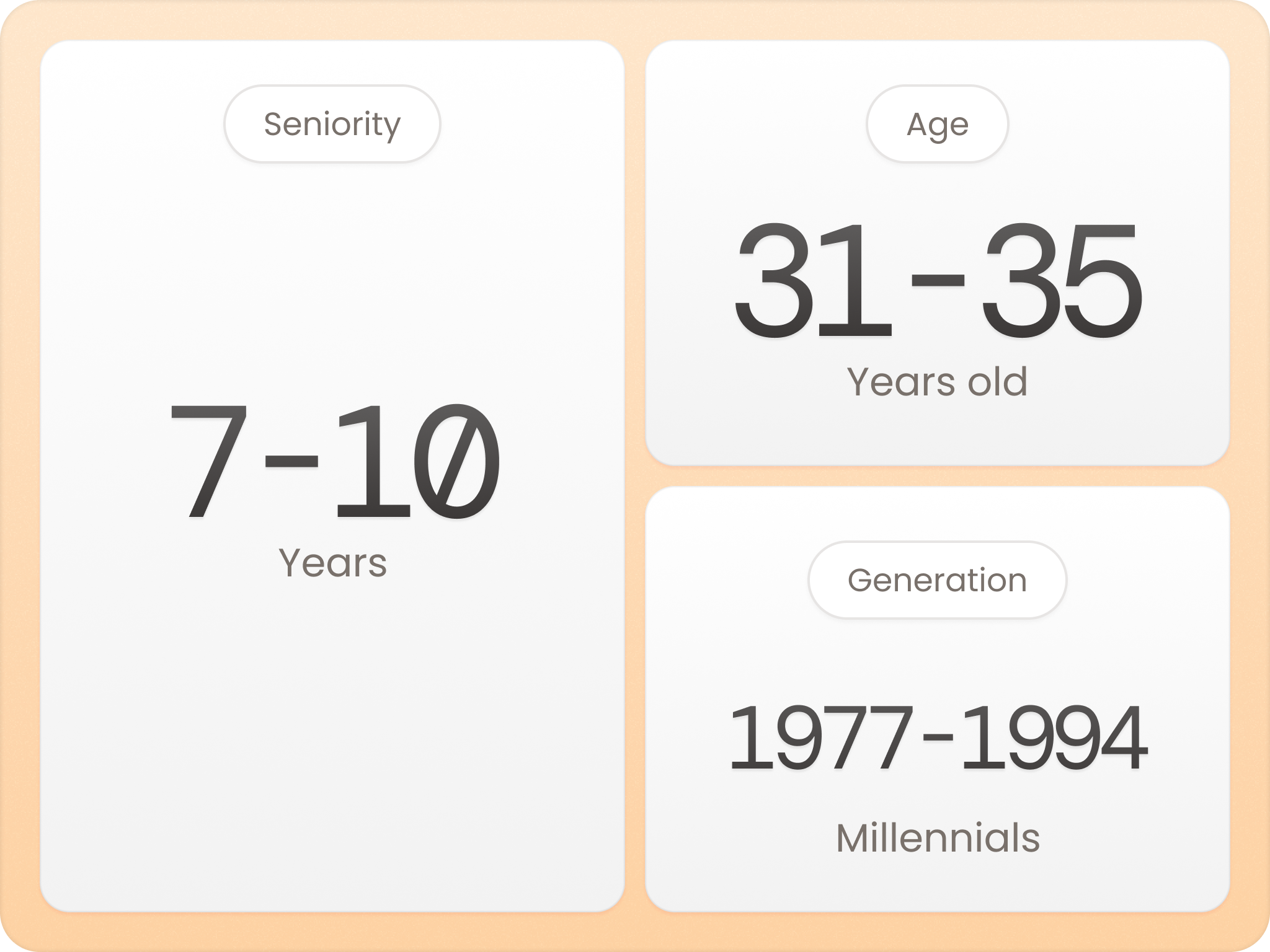
Analyse engagement across gender, age, and other demographics
Zoios enables segmentation by demographic attributes like gender, age groups and expat status so you can identify engagement gaps across employee populations. Understanding how well-being differs by demographics helps you spot inclusion issues and tailor your people strategy. For example, discovering that women score 10 points lower than men on well-being reveals an equity issue that organisational data alone would hide.
02
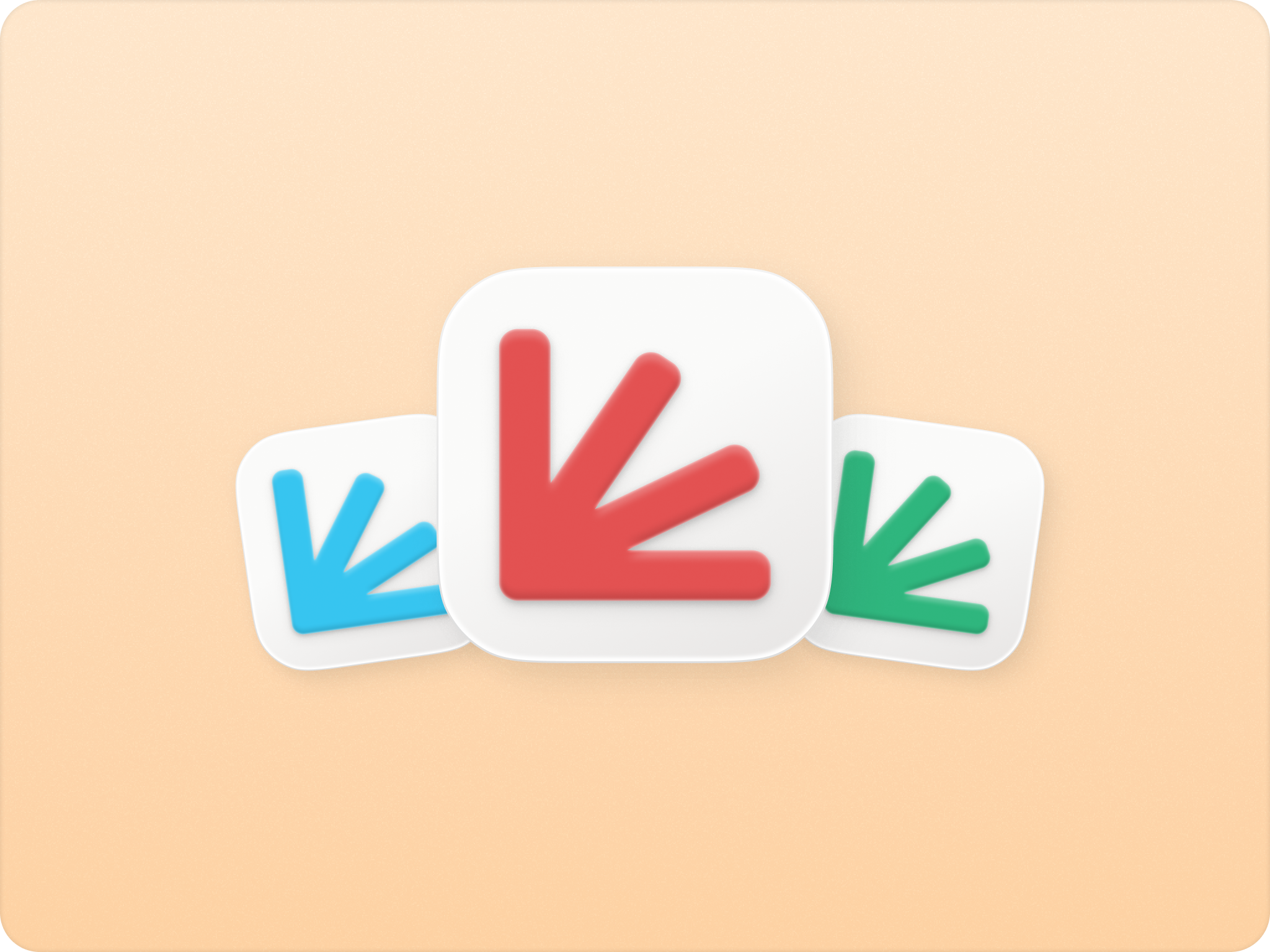
Compare engagement across seniority levels and tenure groups
Zoios provides segmentation by cross-organisational attributes like job level, tenure bands and role types that span multiple teams. You can see how well-being differs between senior leaders and junior staff, or compare new hires in their first six months with people at two-plus years tenure. These cross-cutting segments reveal patterns that pure organisational segmentation misses, such as whether your engagement challenge is actually a new-hire onboarding issue.
03
Organise qualitative feedback by the topic employees are discussing
Zoios automatically tags and segments open-ended comments by which well-being driver they relate to (recognition, development, life harmony and so on), turning thousands of comments into actionable themes. Instead of reading every comment individually, you can filter to see all feedback about recognition or development at once. The topical organisation helps you spot the most common themes quickly and understand what is behind a low driver score.
04
Track engagement for temporary project teams and client assignments
Zoios allows custom segments for project teams or client assignments, so engagement measurement reaches beyond the permanent organisational structure. Tag employees with the projects or clients they are working on and see well-being scores for those groups. The flexibility helps project-based organisations understand how different engagements affect their people and identify which clients or projects create problematic strain.
05
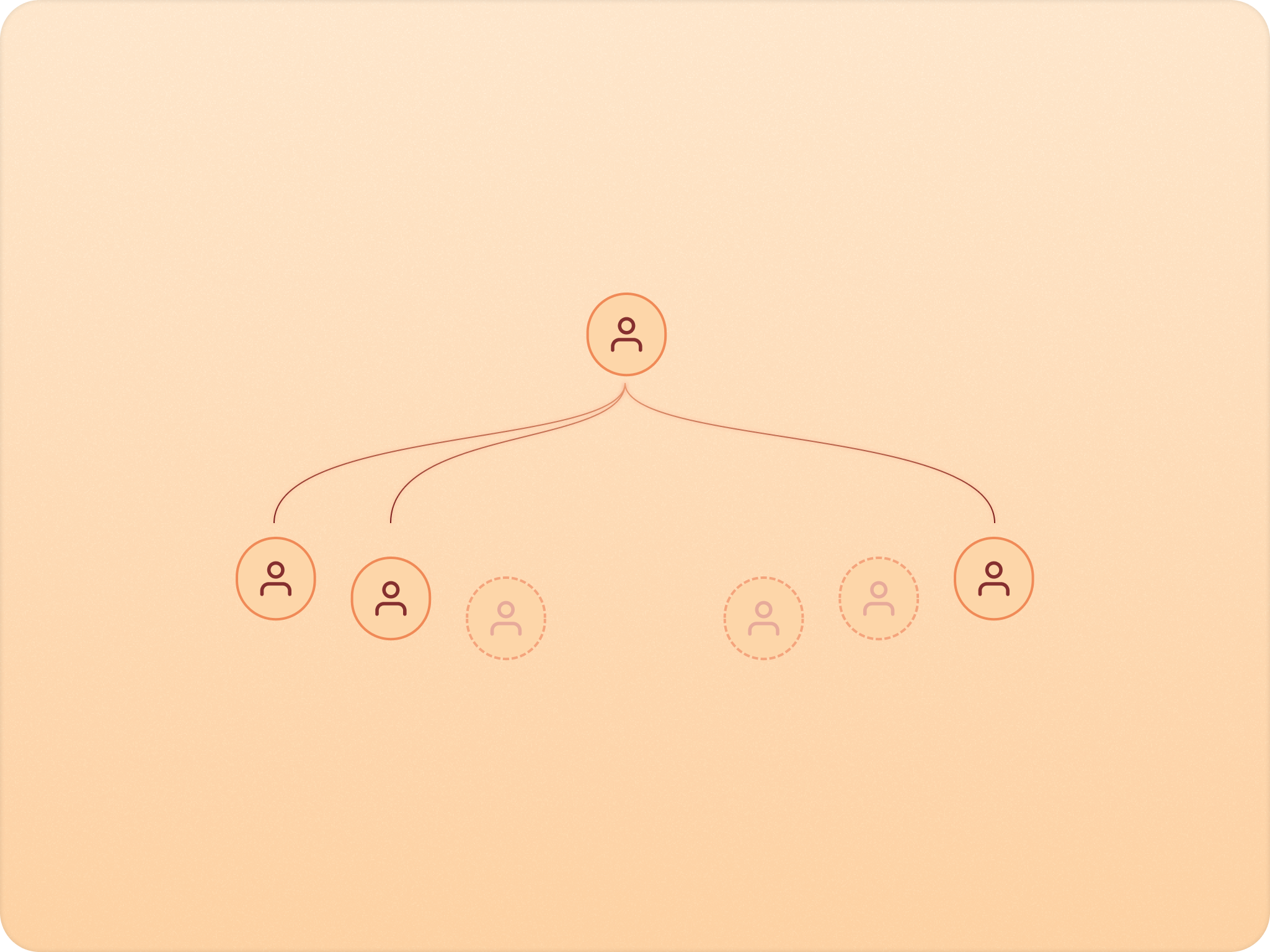
Show results for managers' direct and indirect reports
Zoios lets you segment engagement data by management hierarchy, showing both direct team results and rolled-up scores including all indirect reports. A department head can see their direct leadership team separately from the aggregate that includes everyone in the department. This hierarchy-aware segmentation helps leaders at every level understand engagement in their full span of control while still spotting issues in specific teams.
06
Break down engagement by departments and teams
Zoios lets you segment pulse results by your organisational chart, showing well-being and engagement scores for every department and team. You can drill down from company level to individual teams, comparing scores across the hierarchy to identify pockets of excellence and areas that need support. The organisational segmentation makes sure engagement insights reach the leaders who can act on them, with each manager seeing the piece of the picture they own.

07
Block data combinations that could compromise anonymity
Zoios prevents combining multiple filters that would create segments too small to maintain anonymity, protecting employee privacy across all engagement data. The platform intelligently blocks filter combinations that would push a segment below your anonymity threshold, even if each individual filter would be acceptable on its own. The proactive protection means employees can trust that no clever filter trick can identify their responses, encouraging more honest pulse participation.
08
See company-wide engagement health at a glance
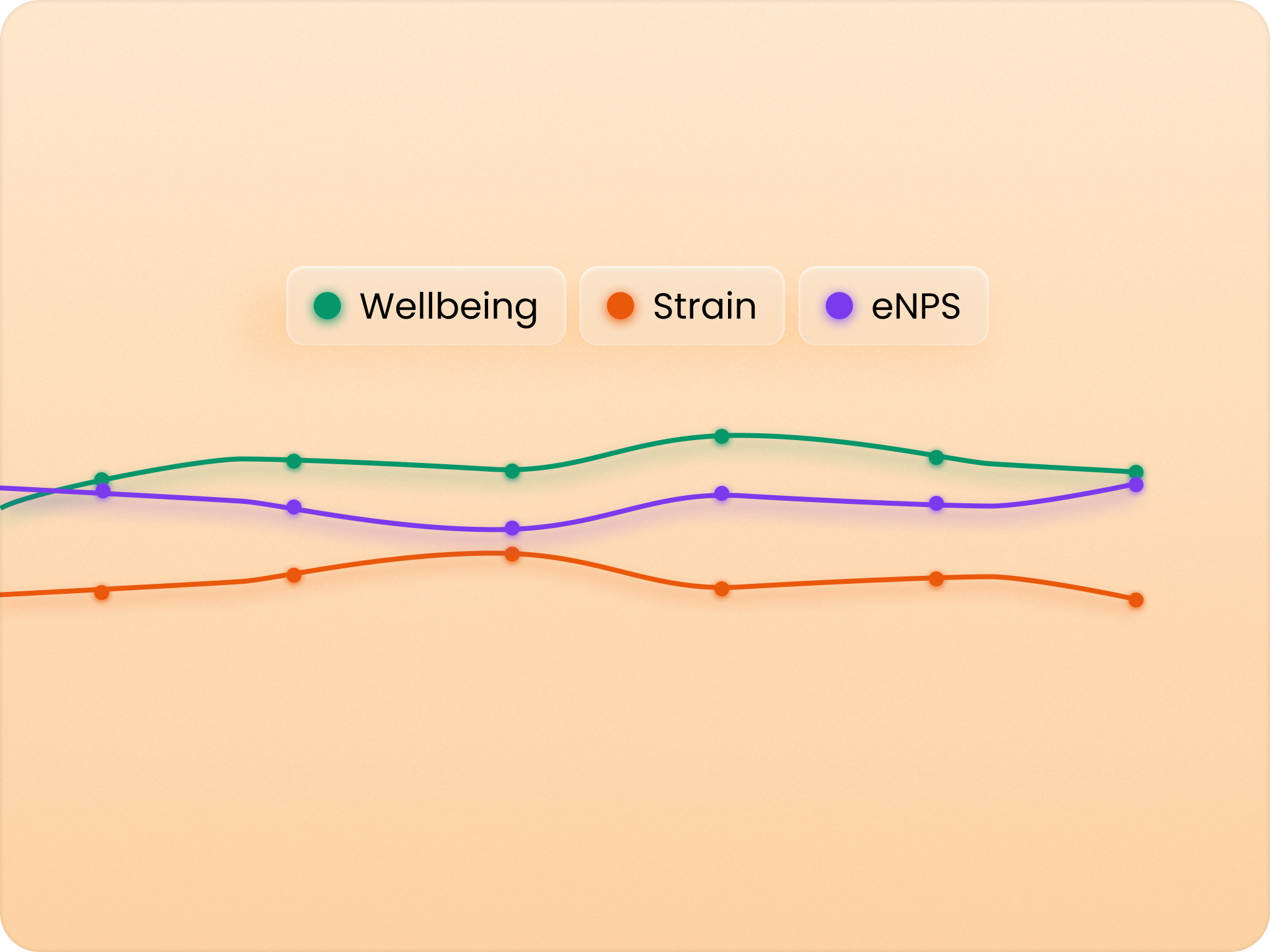
Zoios provides immediate organisational-level insight, showing overall well-being, strain and eNPS across the company the moment responses come in. The dashboard highlights your strongest and weakest drivers, response rate and a comparison with previous measurements, with no manual calculation. The instant company view helps executives and HR quickly assess organisational health and identify the biggest opportunities for cultural improvement.
Company-wide engagement scores hide more than they reveal. A respectable overall well-being score of 78 might mask that your London office is at 85 while Copenhagen sits at 68. Your female employees might be struggling at 70 while men cruise at 82. Aggregate data lets problems hide in plain sight until they become turnover crises.
Zoios provides comprehensive segmentation so you can see engagement through multiple lenses. Break down results by organisational structure (departments, teams, locations), demographics (gender, age, tenure, seniority) or custom dimensions (projects, clients, managers). Every segment shows its own scores, trends and comments, revealing the patterns company averages obscure.
This granularity is where engagement measurement becomes truly powerful. Discover that your engagement challenge is not company-wide, it is concentrated in one struggling team. Learn that new hires in their first six months have great well-being but engagement crashes after a year, pointing to a retention issue. Spot that one particular client project is creating problematic strain for everyone assigned to it.
Armed with these insights, you can target interventions where they are actually needed instead of wasting resources on company-wide programmes that do not address the real issues. Segmentation transforms engagement from a vague cultural concern into specific, solvable problems. You stop treating symptoms and start fixing root causes because you finally understand where the problems actually live.
Want to see it in action?
Set up your first measurement in minutes.
Zoios is free to get going. Try it with your team or talk to a human first, your call.