


In today's dynamic work culture, the prevention of workplace stress is more crucial than ever. Improving the physical work environment and promoting mental well-being directly contributes to a healthier, more productive workforce. Here are ten strategies to keep stress at bay and foster a positive work environment.
1. Encourage regular breaks
Promoting a culture that values regular breaks can significantly reduce fatigue and mental exhaustion. Short, periodic intervals allow people to recharge, sharpening focus when they return to work.
Maria Lundgreen, freelance well-being partner, stress coach, and Zoios Certified Consultant, says "regular breaks are so essential, but we tend to skip them in a misguided attempt to be more productive. During the COVID-19 pandemic, I saw the extremely negative effect of back-to-back online meetings." She points to research by Microsoft, which proves that our brain needs breaks.
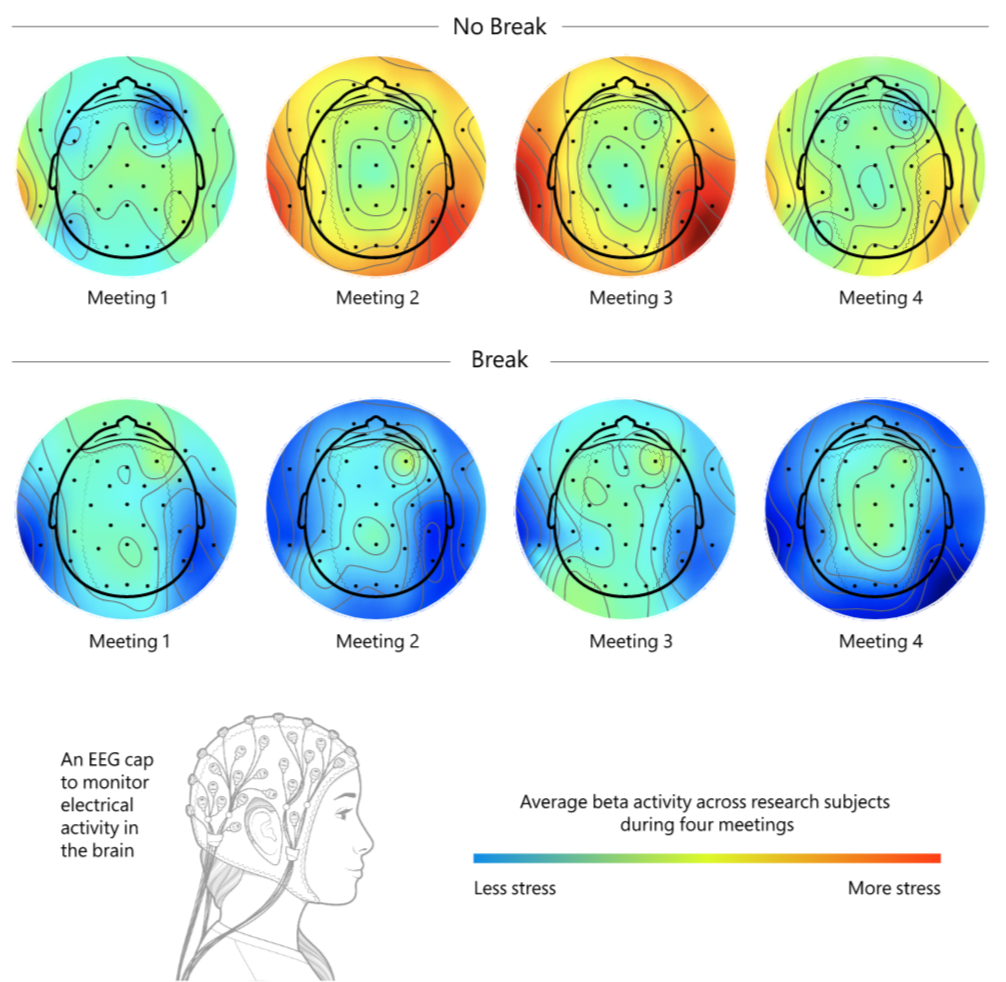
Microsoft, Work Trend Index Special Report 2021.
Lundgreen suggests a holistic approach to stress management: "I recommend scheduling a daily break where you take a walk outside. Sometimes do it alone and have a mindful walk. Other times with a colleague or your leader having your 1:1. Important note: there is a much greater chance of success if a whole team, with the leader in front, agrees on this new practice." That way, you can cross out multiple items on this list at once.
2. Promote physical activity
Following from the suggestion of taking a walk, the second strategy is creating a workplace culture that values wellness through physical activity. It can profoundly reduce stress and improve morale. Encourage walking meetings, provide fitness incentives, or initiate company-sponsored exercise programs.
3. Foster open communication
Encouraging open and transparent communication helps foster a stress-free environment. Facilitate conversations around workload, management issues, and any work-related concerns to prevent the misunderstandings and conflicts that increase stress.
Lundgreen points out: "I have facilitated many conversations between a manager and employee regarding stress and consequently sick leave. In my view, in 8 out of 10 cases, severe stress could have been avoided if they had continuously discussed priorities and clear expectations alignment."
4. Establish a work-life balance
A healthy work-life balance is a cornerstone of stress reduction. When people feel their work and personal lives are in harmony, they are less likely to experience burnout and more likely to be productive and satisfied. As an employer, you can encourage this balance by offering flexible work hours, remote work options, and ensuring the workload is reasonable. Policies that prevent overworking and enable people to spend time with their families or pursue personal interests contribute to lower stress and higher job satisfaction.
5. Design a safe and comfortable workspace
A workspace that prioritizes safety, comfort, and convenience can do wonders for reducing stress and improving productivity. This involves everything from the ergonomics of the office furniture to the lighting, temperature, and noise levels. Ergonomic chairs and desks reduce physical strain. Adjustable lighting prevents eye strain. A tidy, organized workspace promotes concentration. A well-thought-out workspace design considers the physical comfort of people and contributes to overall mental well-being.
6. Implement mindfulness and meditation
Incorporating mindfulness practices and meditation into the daily work schedule can be an effective method of stress management. Mindfulness encourages living in the present moment, which can help people manage their thoughts and emotions, reducing anxiety and stress. Meditation can improve focus and clarity, leading to better decision-making and problem-solving. Offering workshops or classes, or providing a quiet space for these activities, can significantly enhance emotional health and overall job satisfaction. At Zoios, we have incorporated short Pleazers after our scheduled Monday town hall meetings.
7. Prioritize professional development
Providing opportunities for professional growth and development can boost self-esteem and a sense of job security, both critical factors in reducing workplace stress. Offer training programs, educational opportunities, or career advancement programs. When people see a clear pathway for their career progression, it gives them a sense of purpose and ambition, which alleviates feelings of stagnation and job insecurity.
8. Foster positive work relationships
Encouraging team-building activities and facilitating social interactions can foster a sense of belonging, significantly reducing workplace stress and creating a positive environment. Whether it's regular team outings, collaborative projects, or simple daily interactions, these efforts strengthen bonds between coworkers, leading to a more cooperative and productive work environment.
Justine Dinesen, certified life and stress coach, speaker, and well-being consultant, emphasizes the importance of leaders being role models: "Leaders must demonstrate the values they promote through their behavior, including stress management. If leaders communicate that it is encouraged not to work late and not to schedule late meetings, to accommodate parents picking up their children, but they work late themselves and proceed to schedule late meetings, it sends the wrong signals. They need to embody the standards they set."
Dinesen also underscores the importance of matching actions with words: "A leader must take responsibility, maintain composure, and acknowledge that it is okay to make mistakes. Instead of emotional reactions, leaders should step into the situation, ask what went wrong, and learn from the experience. They should be open and transparent, facilitating a culture of learning rather than fear." Read more in our post on psychological safety.
9. Recognize and reward efforts
Recognizing and rewarding people for their hard work and dedication has a dramatic effect on morale and motivation. When people feel valued and appreciated, they experience lower stress, higher job satisfaction, and increased loyalty. Recognition can take many forms, from a simple verbal acknowledgment to a more formal rewards system. The key is to ensure people know their efforts are noticed and valued.
10. Provide employee assistance programs
Employee Assistance Programs (EAPs) are a valuable resource for people dealing with personal or work-related issues that may impact their job performance, health, and well-being. These programs offer services like mental health counseling, legal advice, and financial planning. By providing access, you help people navigate their challenges more effectively, leading to better stress management and overall job satisfaction.
Conclusion
Navigating the modern work landscape requires a concerted effort from both employers and employees to foster a stress-free environment. The strategies above are not band-aid solutions but fundamental changes that can transform the workplace into a sanctuary of productivity and well-being. By implementing them, you can create workplaces that not only manage stress but empower people to reach their full potential. Let us continue to adapt to the ever-changing work environment with the well-being of our people at the heart of our efforts.